The Complete Timeline of Human Evolution: From Early Primates to Modern Humans
|
Species |
Time Period (mya) |
Epoch & Subdivision |
Geographical Range |
|
Purgatorius |
66–63 |
Paleocene |
North
America |
|
Dinosaur
Extinction |
66 |
Cretaceous-Paleogene
Boundary |
Global |
|
Adapoids
(Adapiformes) |
56–34 |
Eocene |
North
America, Europe, Asia, Africa |
|
Aegyptopithecus |
33–29 |
Oligocene |
Egypt
(Africa) |
|
Parapithecus |
36–32 |
Oligocene |
Egypt
(Africa) |
|
Proconsul |
23–17 |
Early
Miocene |
East
Africa (Kenya, Uganda) |
|
Morotopithecus |
20 |
Early
Miocene |
East
Africa (Uganda) |
|
Kenyapithecus |
16–14 |
Middle
Miocene |
East
Africa (Kenya) |
|
Griphopithecus |
17–14 |
Middle
Miocene |
Europe
(Germany, Turkey) |
|
Pierolapithecus |
12.5 |
Middle
Miocene |
Europe
(Spain) |
|
Dryopithecus |
12–9 |
Middle
to Late Miocene |
Europe
(France, Spain, Hungary) |
|
Sivapithecus |
12.5–8 |
Late
Miocene |
South
Asia (India, Pakistan, Nepal) |
|
Nakalipithecus
nakayamai |
10 |
Late
Miocene |
East
Africa (Kenya) |
|
Sahelanthropus
tchadensis |
7–6 |
Late
Miocene |
Central
Africa (Chad) |
|
Orrorin
tugenensis |
6.2–5.8 |
Late
Miocene |
East
Africa (Kenya) |
|
Ardipithecus
kadabba |
5.8–5.2 |
Late
Miocene |
East
Africa (Ethiopia) |
|
Ardipithecus
ramidus |
4.4 |
Early
Pliocene |
East
Africa (Ethiopia) |
|
Australopithecus
anamensis |
4.2–3.8 |
Early
Pliocene |
East
Africa (Kenya, Ethiopia) |
|
Australopithecus
afarensis |
3.9–2.9 |
Pliocene |
East
Africa (Ethiopia, Tanzania, Kenya) |
|
Kenyanthropus
platyops |
3.5–3.2 |
Pliocene |
East
Africa (Kenya) |
|
Australopithecus
africanus |
3.0–2.0 |
Pliocene |
South
Africa |
|
Australopithecus
garhi |
2.5 |
Pliocene |
East
Africa (Ethiopia) |
|
Paranthropus
aethiopicus |
2.7–2.3 |
Pliocene |
East
Africa |
|
Paranthropus
boisei |
2.3–1.2 |
Pliocene-Pleistocene |
East
Africa (Tanzania, Kenya, Ethiopia) |
|
Paranthropus
robustus |
2.0–1.2 |
Pleistocene |
South
Africa |
|
Australopithecus
sediba |
1.98 |
Pleistocene |
South
Africa |
|
Homo
habilis |
2.4–1.4 |
Pleistocene |
East
Africa (Tanzania, Kenya, Ethiopia) |
|
Homo rudolfensis |
2.0–1.8 |
Pleistocene |
East
Africa (Kenya, Malawi) |
|
Time Period (mya) |
Epoch |
Region |
Key Discoveries & Sites |
Significance |
|
1.9–1.8 |
Early
Pleistocene |
East
Africa |
Koobi
Fora (Kenya), Olduvai Gorge (Tanzania), Lake Turkana (Kenya) |
Earliest
fossils of Homo erectus found; developed Acheulean tools |
|
1.8–1.6 |
Early
Pleistocene |
West
Asia (Caucasus) |
Dmanisi
(Georgia) |
Oldest
known Homo erectus fossils outside Africa; evidence of early migration |
|
1.6–1.4 |
Early
Pleistocene |
Southeast
Asia |
Sangiran
(Java, Indonesia), Trinil (Java, Indonesia) |
Homo
erectus arrives in Java; Java Man discovered by Eugène Dubois |
|
1.4–1.0 |
Early
Pleistocene |
South
Asia |
Isampur
(India), Narmada Valley (India) |
Acheulean
tools appear in South Asia; possible adaptations to different climates |
|
1.2–0.8 |
Early-Middle
Pleistocene |
China |
Zhoukoudian
(China), Lantian (China) |
Peking
Man fossils discovered; evidence of fire use and hunting |
|
1.2–0.8 |
Early-Middle
Pleistocene |
Europe |
Atapuerca
(Spain), Ceprano (Italy) |
Earliest
Homo erectus-like fossils in Europe, possibly related to later Homo
antecessor |
|
0.8–0.5 |
Middle
Pleistocene |
Wider
Asia |
Ngandong
(Java, Indonesia), Narmada (India), Hexian (China) |
Advanced
tool-making and adaptation to diverse environments |
|
0.5–0.3 |
Middle
Pleistocene |
Europe
& Asia |
Boxgrove
(UK), Yunxian (China), Ngandong (Java) |
Homo
erectus persists in Asia, possibly coexisting with early Homo sapiens |
|
0.3–0.1 |
Late
Pleistocene |
Southeast
Asia (Java, Indonesia) |
Ngandong
(Java, Indonesia) |
Last
known population of Homo erectus before extinction |
Last
known population of Homo erectus before extinction were found in Southeast
Asia In Ngandong Java, Indonesia.
|
Time Period (mya) |
Epoch |
Region |
Key Discoveries & Sites |
Significance |
|
1.2–0.8 |
Early-Middle Pleistocene |
Europe (Spain, UK, France,
Italy) |
Atapuerca (Gran Dolina,
Spain), Happisburgh (UK), Pirro Nord (Italy), Lézignan (France) |
Earliest known human presence in Western Europe;
Possible ancestor of Neanderthals and Homo sapiens |
|
1.2–1.1 |
Early Pleistocene |
Atapuerca, Spain |
Gran Dolina site (Spain) |
Fossils of juveniles and adults found with cut
marks, suggesting possible cannibalism |
|
0.9–0.8 |
Middle Pleistocene |
Western Europe |
Happisburgh (UK), Pirro
Nord (Italy), Lézignan (France) |
Evidence of early human occupation in northern and
southern Europe |
|
~0.8 |
Middle Pleistocene |
Spain |
Sima del Elefante
(Atapuerca, Spain) |
Oldest human fossils in Western Europe; stone tools
and butchered animal remains found |
Homo heidelbergensis Timeline
|
Time Period (kya) |
Epoch |
Region |
Key Discoveries & Sites |
Significance |
|
700–600 |
Middle Pleistocene |
Africa (Ethiopia, Zambia,
South Africa) |
Kabwe (Zambia), Bodo
(Ethiopia), Elandsfontein (South Africa) |
Oldest fossils of Homo heidelbergensis; possible
ancestor of Homo sapiens |
|
600–500 |
Middle Pleistocene |
Europe (Germany, UK,
France, Spain, Italy, Greece) |
Mauer (Germany), Boxgrove
(UK), Arago (France), Atapuerca (Spain), Petralona (Greece) |
Fossils show a mix of archaic and modern traits;
adaptation to colder climates |
|
500–400 |
Middle Pleistocene |
Europe & Africa |
Sima de los Huesos
(Atapuerca, Spain) |
Over 28 individuals found; DNA links to Neanderthals |
|
400–300 |
Middle Pleistocene |
Europe & Asia |
Steinheim (Germany),
Swanscombe (UK), Dali (China) |
Likely ancestor of Neanderthals (Europe) and
Denisovans (Asia) |
Homo heidelbergensis fossils from Mauer (Germany), Boxgrove (UK),
Arago (France), Atapuerca (Spain), Petralona (Greece) show a mix of archaic and modern traits and
adaptation to colder climates
Sima de los Huesos (Atapuerca, Spain) Over 28 individuals found; DNA links to
Neanderthals
Fully developed Neanderthals appear; Mousterian
tools emerge. In Europe in places like Krapina (Croatia), Ehringsdorf
(Germany), Saccopastore (Italy)
Oldest
Denisovan fossils showing Adaptations to cold and high altitudes
In
Denisova Cave (Siberia), Baishiya Karst (Tibet) Neanderthals & Denisovans
Timeline
|
Time Period (kya) |
Epoch |
Species |
Region |
Key Discoveries & Sites |
Significance |
|
600–500 |
Middle
Pleistocene |
Neanderthal-Denisovan
Ancestor |
Europe
& Asia |
Sima de
los Huesos (Spain) |
DNA
shows early divergence of Neanderthals & Denisovans from Homo
heidelbergensis |
|
500–400 |
Middle
Pleistocene |
Proto-Neanderthals |
Europe
& West Asia |
Steinheim
(Germany), Swanscombe (UK), Atapuerca (Spain) |
Early
Neanderthal traits develop from Homo heidelbergensis |
|
400–300 |
Middle
Pleistocene |
Proto-Denisovans |
Asia
(Siberia, Tibet, China, SE Asia) |
Dali
(China), Jinniushan (China) |
Denisovan
lineage splits from Neanderthals; adapts to high altitudes |
|
250–200 |
Late
Pleistocene |
Neanderthals |
Europe
& Western Asia |
Krapina
(Croatia), Ehringsdorf (Germany), Saccopastore (Italy) |
Fully
developed Neanderthals appear; Mousterian tools emerge |
|
200–150 |
Late
Pleistocene |
Denisovans |
Central
& East Asia |
Denisova
Cave (Siberia), Baishiya Karst (Tibet) |
Oldest
Denisovan fossils; adaptations to cold and high altitudes |
|
150–100 |
Late
Pleistocene |
Neanderthals |
Europe,
Middle East, Central Asia |
Shanidar
(Iraq), Kebara (Israel), La Chapelle-aux-Saints (France) |
Evidence
of burials, culture, and care for the elderly |
|
100–50 |
Late
Pleistocene |
Neanderthals
& Denisovans |
Europe,
Siberia, China |
Denisova
Cave (Siberia), Vindija Cave (Croatia), Châtelperron (France) |
Neanderthals
interbreed with Denisovans and Homo sapiens |
|
50–40 |
Late
Pleistocene |
Neanderthals |
Europe
& Western Asia |
Spy
(Belgium), St. Césaire (France), Gibraltar |
Last
Neanderthals survive in small, isolated groups |
|
50–30 |
Late
Pleistocene |
Denisovans |
Siberia,
Tibet, SE Asia |
Denisova
Cave, Baishiya Karst (Tibet), Sulawesi (Indonesia) |
Denisovans
contribute DNA to modern Tibetans, Papuans, and Southeast Asians |
|
~40 kya |
Late
Pleistocene |
Neanderthals |
Europe |
Gorham’s
Cave (Gibraltar) |
Last
Neanderthals disappear from Europe |
|
~30 kya |
Late
Pleistocene |
Denisovans |
Asia
(Tibet, Siberia, SE Asia) |
Baishiya
Cave (Tibet) |
Last
known Denisovans disappear, but their genes survive in modern humans |
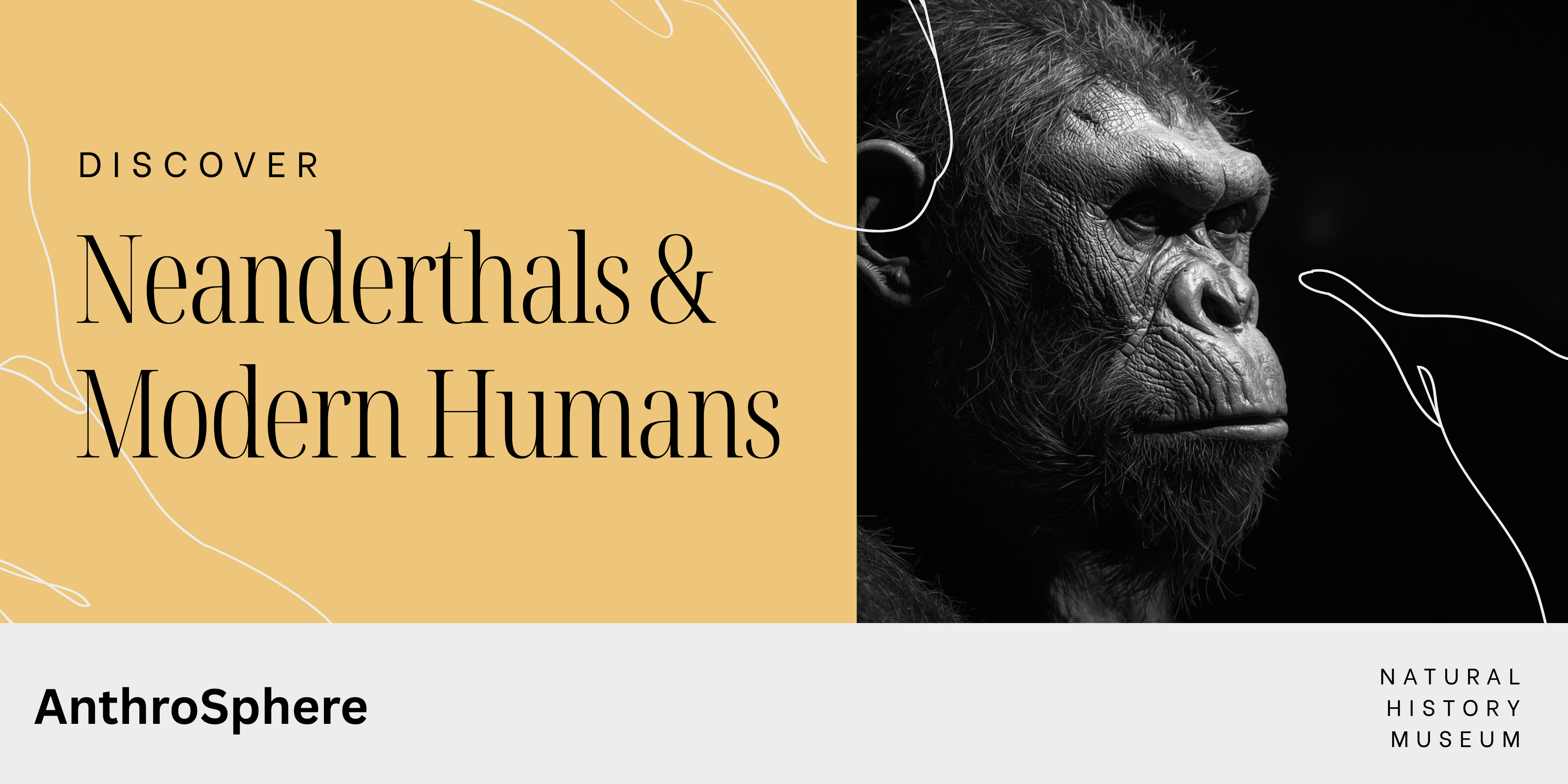
Key Notes on Neanderthals & Denisovans
- Origins
(~600–500 kya)
- Evolved from Homo heidelbergensis
in Europe & Asia.
- Sima de los Huesos (Spain,
430 kya) contains early Neanderthal-like fossils.
- Neanderthals
in Europe & West Asia (~400–40 kya)
- Adapted to cold Ice Age
environments in Europe and Central Asia.
- Used Mousterian tools,
built shelters, and controlled fire.
- Buried their dead and showed
symbolic behavior (e.g., cave art).
- Denisovans
in Asia (~300–30 kya)
- Adapted to high
altitudes (Tibet) and tropical environments (Southeast Asia).
- Little is known, as fossils
are rare, but DNA reveals their role in modern human evolution.
- Interbreeding
with Homo sapiens (~100–40 kya)
- Neanderthals contributed ~1-2% DNA to modern
Europeans & Asians.
- Denisovans contributed ~4-6% DNA to
Melanesians, Tibetans, and some Southeast Asians.
- Extinction
(~40–30 kya)
Neanderthals likely displaced
by Homo sapiens, but some small groups survived until ~40 kya in
Gibraltar.
Denisovans may have survived
longer, but fossil evidence is scarce.
Jebel Irhoud
(Morocco), Omo Kibish (Ethiopia), Florisbad (South Africa) show oldest Homo sapien fossils
with early evidence of modern human anatomy
In Herto (Ethiopia), Border Cave (South Africa) with complex tools and
symbolic behaviour first signs of culture
|
Time Period (kya / BCE) |
Epoch |
Region |
Key Discoveries & Sites |
Significance |
|
~300–200 kya |
Late Pleistocene |
Africa |
Jebel Irhoud (Morocco), Omo Kibish (Ethiopia),
Florisbad (South Africa) |
Oldest Homo sapiens fossils; early evidence of
modern human anatomy |
|
200–100 kya |
Late Pleistocene |
Africa |
Herto (Ethiopia), Border Cave (South Africa) |
Complex tools, symbolic behavior, first signs of
culture |
|
100–70 kya |
Late Pleistocene |
Africa & Middle East |
Skhul & Qafzeh (Israel), Pinnacle Point
(South Africa) |
First migration out of Africa (~100 kya), but
early groups disappear |
|
70–50 kya |
Late Pleistocene |
Global Expansion |
India (Jwalapuram), Arabia, Southeast Asia
(Sumatra, Indonesia) |
Second major migration out of Africa (~70 kya),
rapid spread |
|
50–40 kya |
Late Pleistocene |
Europe, Asia, Australia |
Denisova Cave (Siberia), Madjedbebe (Australia) |
Interbreeding with Neanderthals & Denisovans;
first humans in Australia (~50 kya) |
|
40–30 kya |
Late Pleistocene |
Europe, Asia, Pacific |
Cro-Magnon (France), Tianyuan (China), Bacho Kiro
(Bulgaria) |
Homo sapiens dominate Eurasia; Neanderthals go
extinct (~40 kya) |
|
30–20 kya |
Late Pleistocene |
Global |
Lascaux Cave (France), Mal’ta (Siberia), Sunghir
(Russia) |
Advanced cave art, Venus figurines, symbolic
burial practices |
|
20–12 kya |
Late Pleistocene → Holocene |
Americas, Europe, Asia |
Monte Verde (Chile), Clovis (USA), Göbekli Tepe
(Turkey) |
First migration into the Americas (~15 kya);
transition to farming begins |
|
12–8 kya (10,000–6,000 BCE) |
Early Holocene |
Near East, China, Mesoamerica |
Jericho (Palestine), Çatalhöyük (Turkey), Yellow
River (China) |
Agriculture develops; first villages emerge |
|
8–5 kya (6,000–3,000 BCE) |
Holocene |
Middle East, South Asia, Egypt |
Sumer (Iraq), Indus Valley (India/Pakistan),
Egypt (Nile Valley) |
First civilizations (Mesopotamia, Indus Valley,
Egypt) |
|
5–3.5 kya (3,000–1,500 BCE) |
Holocene |
Europe, Asia, Africa |
Sumerians, Old Kingdom Egypt, Harappa, Yellow
River China |
Writing systems emerge; Bronze Age cultures
develop |
|
3.5–3 kya (2,500–1,500 BCE) |
Holocene |
Eurasia & Africa |
Babylon, Mycenae (Greece), Shang Dynasty (China) |
Large kingdoms, early empires, Iron Age begins |
Key Developments of Homo sapiens
- Emergence
in Africa (~300–200 kya)
- Jebel
Irhoud (Morocco, 300 kya) – Oldest Homo sapiens
fossils.
- Complex
stone tools & early symbolic behavior
appear.
- First
Migration (~100–70 kya)
- Early groups leave Africa but fail to
establish permanent populations.
- Global
Expansion (~70–40 kya)
- Final migration (~70 kya)
leads to the colonization of Asia,
Europe, and Australia.
- Interbreeding with Neanderthals & Denisovans.
- Neanderthal
Extinction (~40 kya)
- Homo sapiens become the dominant human species.
- Cave art, advanced tools, and cultural symbols
emerge.
- First
Americans (~15 kya)
- Migration through Beringia land bridge into North & South America.
- Agriculture
& Civilization (~12–3 kya / 10,000–1,500 BCE)
- Farming begins in
multiple regions (Middle East, China, Mesoamerica).
- First cities & states
emerge in Mesopotamia, Egypt, India, and China.
- Writing & metal tools
develop, leading to the Bronze
Age & Iron Age.
1. Paleocene Epoch (66–56 million years ago)
- Key Events:
- The extinction of dinosaurs (65 MYA) allows mammals to
diversify.
- First primate-like
mammals (plesiadapiforms) appear.
- Notable Fossils:
- Purgatorius (earliest known primate-like
mammal).
- Family: Plesiadapiformes (early primate relatives).
- Environment: Warm, tropical forests with abundant flowering
plants and insects.
- Geographical Range: North America, Europe, Asia.
Eocene Epoch
- Key
Events:
- First true primates emerge (~54 MYA).
- The Paleocene-Eocene Thermal Maximum (56 MYA) causes
global warming.
- Primates split into two groups:
- Adapoids & Adapoids
- Omomyoids
- Omomyoids (tarsier and
monkey ancestors).
- Notable Fossils:
- Notharctus
(early adapoid, related to lemurs).
- Teilhardina
(early omomyoid, related to tarsiers).
- Family:
- Adapidae
(strepsirrhines – lemur ancestors).
- Omomyidae
(haplorhines – monkey and ape ancestors).
- Environment:
Hot and humid, with dense forests covering much of the planet.
- Geographical Range:
North America, Europe, Asia, Africa.
?
3. Oligocene Epoch (33.9–23 million years ago)
- Key Events:
- First higher
primates (monkeys and apes) emerge (~34 MYA).
- Grande Coupure
(36 MYA) – a major cooling event leads to species extinctions.
- Early anthropoids
(monkeys and apes) appear in Africa.
- Notable Fossils:
- Aegyptopithecus
(potential ancestor of Old World monkeys and apes).
- Parapithecus
(ancestor of both Old and New World monkeys). Aegyptopithecus
& Parapithecus
- Family:
- Parapithecidae
(early anthropoids before the split of Old and New World monkeys).
- Propliopithecidae
(ancestor of Old World monkeys and apes).
- Environment:
Cooling climate, forests shrinking, giving way to more open habitats.
- Geographical Range:
Africa (Fayum, Egypt).
- 1. Early Miocene Epoch (23–16 Million Years Ago) Proconsul
& Morotopithecus
- Key Events:
- Apes (hominoids)
emerge and diversify.
- Early catarrhines
(Old World monkeys and apes) evolve.
- Africa is a lush,
forested environment with a warm climate.
- Notable Fossils:
- Proconsul
(one of the first apes, showing a mix of monkey and ape traits).
- Morotopithecus
(earliest evidence of upright posture in apes).
- Family:
- Proconsulidae
(early apes).
- Victoriapithecidae
(early Old World monkeys).
- Environment:
Tropical and subtropical forests, warm and humid climate.
- Geographical Range:
Africa (East Africa, including Kenya and Uganda).
2. Middle Miocene Epoch (16–11 Million Years Ago)
- Key Events:
- Apes spread from
Africa into Europe and Asia.
- The divergence
between great apes and early human ancestors begins.
- Climate starts
cooling, leading to more open woodland environments.
- Notable Fossils:
- Kenyapithecus
(possible early ancestor of great apes).
- Pierolapithecus
(may be ancestral to all great apes, including humans).
- Dryopithecus
(European ape, potentially related to African great apes).
- Sivapithecus
(ancestor of modern orangutans, found in Asia).
- Family:
- Hominidae (great
apes and human ancestors).
- Environment:
Forests begin to break into woodlands; cooler and drier conditions.
- Geographical Range:
Africa, Europe, and Asia (Spain, India, Pakistan).
3. Late Miocene Epoch (11–7 Million Years Ago)
- Key Events:
- The last common
ancestor of humans and chimpanzees exists (~7-8 MYA).
- Global cooling and
drying lead to the expansion of grasslands and open woodlands.
- Some apes adapt to
a more upright posture in response to environmental changes.
- Notable Fossils:
- Sahelanthropus
tchadensis (~7 MYA, one of the oldest
known hominins, showing early bipedal traits).
- Orrorin tugenensis
(~6 MYA, another early hominin with bipedal adaptations).
- Family:
- Hominini (early
human ancestors and chimpanzees split from a common ancestor).
- Environment:
Expansion of savannas and woodlands due to cooler climate.
- Geographical Range:
Africa (Central and East Africa, including Chad and Kenya).
1. Late
Miocene Epoch (7–5.3 Million Years Ago)
- Key Events:
- The last common ancestor of
humans and chimpanzees lived around 7–6 MYA.
- Early hominins show
evidence of bipedalism.
- Climate continues to cool, leading
to more open grasslands and woodlands.
- Notable Fossils:
- Sahelanthropus tchadensis
(~7 MYA, possible earliest hominin, with a mix of ape and human-like
features).
- Orrorin tugenensis
(~6 MYA, shows bipedal adaptations in leg bones).
- Family:
Hominini (early human ancestors).
- Environment:
Mixture of forests, woodlands, and expanding savannas due to climate
cooling.
- Geographical Range:
Central and East Africa (Chad, Kenya).
? 2. Early
Pliocene Epoch (5.3–3.6 Million Years Ago)
- Key Events:
- More hominins emerge with
stronger bipedal traits.
- Climate shifts towards
drier conditions, favoring grasslands.
- Notable Fossils:
- Ardipithecus ramidus
(~4.4 MYA, a facultative biped with grasping feet, lived in forested
environments).
- Australopithecus anamensis
(~4.2–3.8 MYA, one of the earliest definitive bipedal hominins).
- Family:
- Ardipithecidae (early
bipedal hominins).
- Australopithecinae (early
human-like ancestors).
- Environment:
Shrinking forests, increasing savanna landscapes.
- Geographical Range:
East Africa (Ethiopia, Kenya).
3.
Middle to Late Pliocene Epoch (3.6–2.5 Million Years Ago)
- Key Events:
- Fully bipedal hominins
become more common.
- The first stone tools may
have appeared (~3.3 MYA).
- Hominins begin adapting to
open grassland environments.
- Notable Fossils:
- Australopithecus afarensis
(~3.9–3 MYA, well-known from “Lucy,” showing clear bipedalism but
retaining some tree-climbing abilities).
- Kenyanthropus platyops
(~3.5 MYA, possible ancestor to later Homo species).
- Australopithecus africanus (~3.3–2.1
MYA, found in South Africa, with a more rounded skull and human-like
teeth).
- Family:
Australopithecinae (early bipedal hominins).
- Environment:
Predominantly open woodlands and grasslands, with seasonal climates.
- Geographical Range:
East and South Africa (Ethiopia, Kenya, Tanzania, South Africa).
Timeline
of Human Evolution (2.5 Million – 300,000 Years Ago)
- 1. Late Pliocene Epoch (2.5–2.0 Million Years Ago)
- Key Events:
- The genus Homo
emerges.
- The first stone
tools appear (Oldowan technology).
- Climate becomes
cooler and drier, leading to the expansion of grasslands.
- Notable Fossils:
- Homo habilis
(~2.4–1.4 MYA, "handy man," the first hominin to use tools
extensively).
- Paranthropus boisei
(~2.3–1.2 MYA, robust hominin with large jaws, adapted to tough diets).
- Family:
Hominidae (great apes, including humans).
- Environment:
Open savannas and woodlands, cooler and drier than before.
- Geographical Range:
East and South Africa (Ethiopia, Kenya, Tanzania, South Africa).
- 2. Early Pleistocene Epoch (2.0–1.0 Million Years Ago)
- Key Events:
- Homo erectus
evolves, showing more advanced tool use (Acheulean tools).
- Hominins start
migrating out of Africa (~1.8 MYA).
- Fire use may have
begun (~1.5 MYA).
- Notable Fossils:
- Homo erectus
(~1.9 MYA – 110 KYA, first hominin to spread beyond Africa, had a larger
brain and more human-like body proportions).
- Homo ergaster
(~1.8–1.3 MYA, an African variant of H. erectus).
- Homo antecessor
(~800–600 KYA, an early European hominin, possibly ancestral to
Neanderthals).
- Narmada Hominin
(~600 KYA, a partial skull found in India, possibly related to Homo
heidelbergensis).
- Family:
Hominidae (great apes, including humans).
- Environment:
Open grasslands, mixed forests, and fluctuating climates.
- Geographical Range:
Africa, Asia (Indonesia, China, Georgia), possibly Europe and India.
- 3. Middle Pleistocene Epoch (1.0 Million – 300,000 Years Ago)
- Key Events:
- More advanced
tool-making techniques develop.
- The first evidence
of controlled fire use (~700 KYA).
- Homo
heidelbergensis appears, likely
the common ancestor of Neanderthals, Denisovans, and modern humans.
- Notable Fossils:
- Homo
heidelbergensis (~600–200 KYA, had
a large brain and showed signs of hunting and social cooperation).
- Denisovans
(~500–30 KYA, a mysterious human group in Asia, known only from DNA and a
few fossils).
- Homo naledi
(~335–236 KYA, a small-brained hominin found in South Africa with
surprisingly advanced behavior).
- Homo luzonensis
(~700–50 KYA, a small hominin species found in the Philippines).
- Homo floresiensis
(~700–50 KYA, "The Hobbit," a short hominin species from
Indonesia).
- Homo
neanderthalensis (~400–40 KYA,
Europe and West Asia, highly adapted to cold climates, had complex
culture).
- Homo longi
(~300 KYA, "Dragon Man," a large-brained hominin from China,
possibly a Denisovan relative).
- Homo bodoensis
(~500–300 KYA, a proposed species linking H. heidelbergensis and
later human groups).
- Homo julenisis
(~300 KYA?, recently proposed but uncertain classification).
- Family:
Hominidae (great apes, including humans).
- Environment:
Cooler climates with ice age fluctuations; mixed forests and open lands.
- Geographical Range:
Africa, Europe, Asia, Southeast Asia.
-
Key
Takeaways
- Diversification of
hominins: Many species coexisted, with Homo
erectus expanding globally and new lineages evolving in different
regions.
- Technology and
culture: Acheulean tools, fire use, and
possibly early symbolic behavior emerged.
- Migration and
adaptation: Early hominins adapted to diverse
environments, from African savannas to European cold regions and Asian
jungles.
This
period set the stage for the emergence of modern Homo sapiens. Let me
know if you need any modifications! ?


Discussion
0 Comments