Genetics, Environment, Evolution & the Neanderthal Connection
Human Skin Color
Genetics, Environment, Evolution & the Neanderthal Connection
1. The Geography of Skin Color
One of the most striking patterns in human biology is the global distribution of skin pigmentation. Darker skin tends to occur in tropical regions closer to the equator, while lighter skin is found in temperate regions, particularly at higher latitudes[reference:0]. Maps of skin color consistently show that darkly pigmented peoples are native near the Equator, whereas lighter pigmentation is more common closer to the poles. Notably, a larger percentage of people with dark skin is found in the Southern Hemisphere compared to the Northern Hemisphere, largely due to differences in the intensity of ultraviolet radiation (UVR)[reference:1].
The amount and type of melanin in the skin determine its color. Darker skin contains more melanin — specifically eumelanin — which effectively absorbs and scatters UVR, protecting against DNA damage and folate photolysis. Lighter skin, conversely, allows for more efficient synthesis of vitamin D in regions with lower sunlight, helping prevent vitamin D deficiency[reference:2]. Recent hypotheses suggest that melanin pigmentation evolved primarily to protect folate from UVR‑induced photolysis, as folate is essential for DNA synthesis and reproductive success[reference:3].
2. The Evolutionary Timeline: From Hairlessness to Dark Skin
Early members of the genus Homo from the late Pliocene and Early Pleistocene in Africa evolved larger bodies, larger brains, and longer lower limbs compared to their australopithecine predecessors. Higher activity levels and larger day ranges required functionally naked skin with a high density of eccrine sweat glands for efficient heat loss. However, this created a new physiological challenge: protection of a naked body against UVR[reference:4].
In mammals with sparse hair coats, 3–5% of incident UVR is transmitted to the skin. Non‑human mammals active in hot, sunny environments often exhibit highly melanized skin on exposed surfaces to block UVR. This evidence indicates that hair loss in the human lineage was coupled with increased melanization of the skin. Genetic evidence now shows that strong natural selection acted approximately 1.2 million years ago to produce darkly pigmented skin in early members of the genus Homo[reference:5].
Importantly, heavily pigmented skin does not increase the body’s heat load under intense solar radiation. For half of the solar radiation reaching the Earth’s surface — the infrared portion — there is essentially no difference in absorption between dark and light skin. Thus, dark skin provides UV protection without compromising thermoregulation.
3. The Vitamin D–Folate Hypothesis: A Balancing Act
The vitamin D–folate hypothesis is the prevailing evolutionary model explaining human skin pigmentation. It proposes that skin color evolved as a balancing mechanism between two opposing needs: protecting folate from UV degradation and synthesizing sufficient vitamin D[reference:6][reference:7].
- Folate protection: Folate (vitamin B9) is crucial for DNA synthesis, cell division, and embryonic development. UV radiation can degrade folate in the bloodstream, leading to birth defects and reduced reproductive success. Dark skin near the equator blocks UVR, preserving folate levels.
- Vitamin D synthesis: Vitamin D requires UVB radiation for its production in the skin. At higher latitudes, where UVB is scarce, lighter skin maximizes vitamin D synthesis, preventing rickets, osteomalacia, and other deficiency‑related conditions.
This hypothesis is supported by biophysical evidence showing that light‑skin genotypes exhibit greater folate loss under UVR, while also achieving higher vitamin D₃ synthesis[reference:8]. The evolutionary outcome is a gradient of skin pigmentation that closely tracks UVR intensity worldwide.
4. The Genetics of Pigmentation
Human skin color is a polygenic trait influenced by multiple genes interacting with the environment. Early genetic studies demonstrated that interbreeding between light‑ and dark‑skinned individuals produces offspring with intermediate skin tones. The primary determinant is the amount and type of melanin — eumelanin (black/brown) and pheomelanin (red/yellow) — regulated by the melanocortin 1 receptor gene (MC1R).
4.1 The MC1R Gene and Melanin Synthesis
The MC1R gene encodes a receptor on melanocytes that responds to melanocyte‑stimulating hormone (MSH). Activation of MC1R promotes eumelanin production, leading to darker pigmentation. Loss‑of‑function variants in MC1R reduce eumelanin synthesis and increase pheomelanin, resulting in fair skin, red or blond hair, and increased sensitivity to UV damage[reference:9].
Five major loss‑of‑function MC1R variants are associated with fair skin and red/blond hair. Among these, Val92Met is one of the most frequent. This variant changes the receptor structure, reducing its ability to respond to MSH, and is linked to Type I or II skin (always burns, never tans) and red hair[reference:10].
| MC1R Variant | Effect | Associated Traits |
|---|---|---|
| Val92Met | Loss‑of‑function | Red hair, fair skin, reduced tanning ability |
| Arg151Cys | Loss‑of‑function | Red hair, fair skin, increased skin cancer risk |
| Arg160Trp | Loss‑of‑function | Red hair, fair skin, photosensitivity |
| Arg163Gln | Loss‑of‑function | Fair skin, red/blond hair |
| Asp294His | Loss‑of‑function | Red hair, fair skin, severe photosensitivity |
MC1R exhibits high variation in light‑skinned individuals outside Africa but lower diversity in dark‑skinned African populations, indicating different selective pressures across regions. Evolution of sun‑resistant MC1R alleles began when early humans became hairless in tropical Africa, and these alleles became advantageous as humans migrated to less sunny environments in Eurasia.
4.2 Sexual Dimorphism in Skin Pigmentation
There is also evidence of sexual dimorphism in human skin pigmentation, with females generally having lighter skin than males across diverse populations. Spectrophotometric studies show that female skin reflectance is 2–3 percentage points higher (i.e., paler) than male skin in Europe, Asia, Africa, and the Americas[reference:11]. This difference is thought to arise from sexual selection, where lighter skin is often perceived as more feminine, as well as physiological differences in calcium metabolism during pregnancy and lactation.
5. Neanderthal Introgression: An Unexpected Contribution
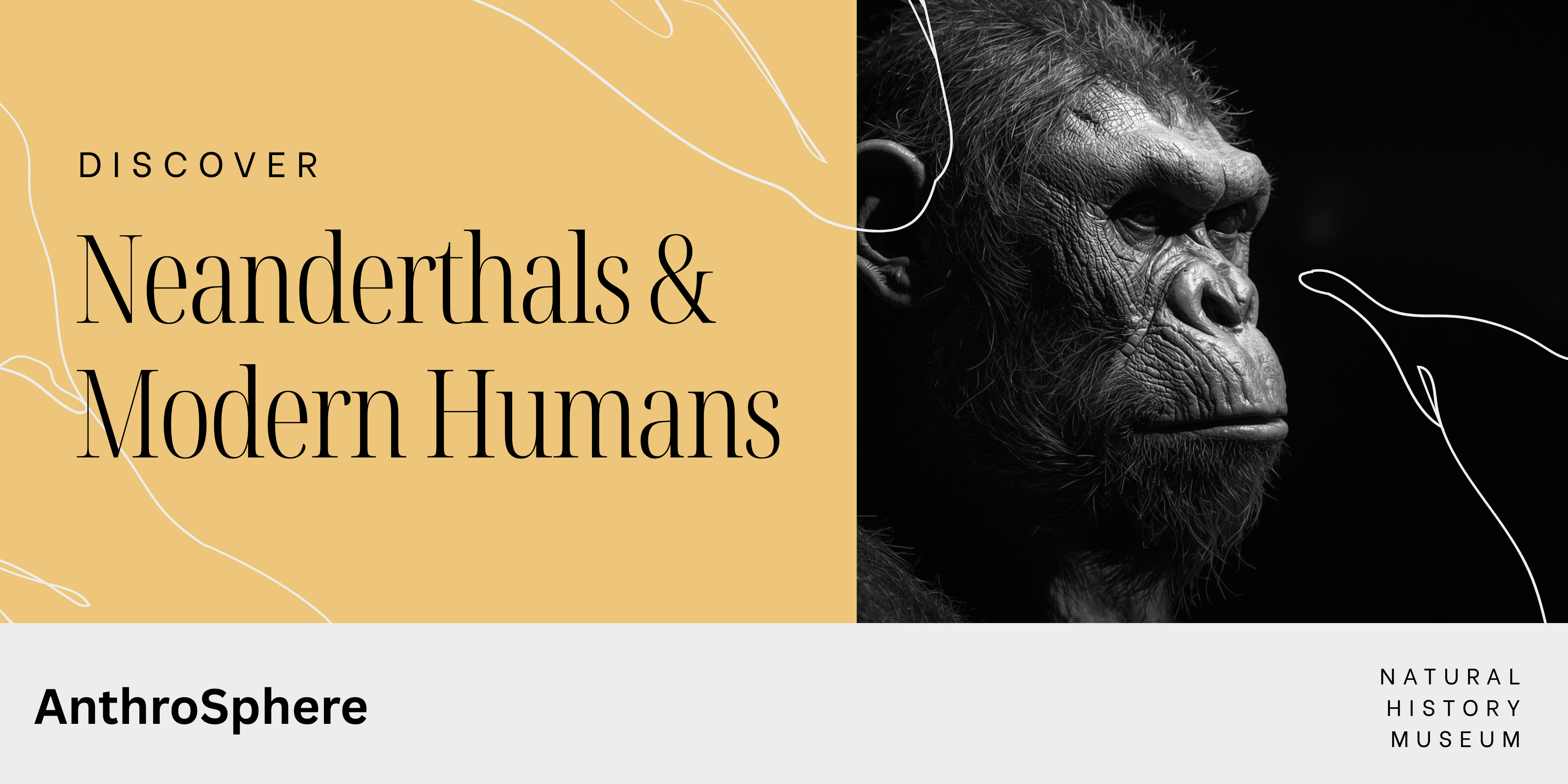
One of the most exciting recent debates in the evolution of human skin color concerns the influence of Neanderthal introgression. Neanderthals and early modern humans interbred when Homo sapiens migrated out of Africa and encountered Neanderthals in Eurasia. As a result, many people of non‑African ancestry today carry 1–2% Neanderthal DNA in their genomes[reference:12].
5.1 Neanderthal Pigmentation Traits
Neanderthals lived in regions with lower sunlight exposure, particularly during glacial periods. They likely possessed adaptations for fairer skin to maximize vitamin D production, though recent evidence suggests Neanderthals themselves were variable in pigmentation, with both lighter and darker skin tones present in different populations[reference:13]. Analysis of Neanderthal MC1R sequences identified loss‑of‑function variants that would have produced red hair and pale skin in some individuals[reference:14].
5.2 The Val92Met Variant: A Neanderthal Legacy
In 2014, researchers presented evidence of Neanderthal introgression encompassing the MC1R gene on chromosome 16[reference:15]. By examining DNA around MC1R in modern human populations and comparing it to Neanderthal genomes, they identified 59 genetic markers of Neanderthal origin. Strikingly, all of the putative Neanderthal introgressive haplotypes carry the Val92Met variant — a loss‑of‑function mutation associated with fair skin, red hair, and photoaging.
Phylogenetic analysis confirmed that these haplotypes diverged with the Altai Neanderthal approximately 103,300 years ago, after the anatomically modern human‑Neanderthal divergence[reference:16]. The frequency of this Neanderthal introgression varies widely among modern populations:
- Europeans: ∼5% carry the Neanderthal‑derived MC1R haplotypes
- Continental East Asians: ∼30%
- Taiwanese aborigines: 60–70%[reference:17][reference:18]
5.3 Broader Phenotypic Impact of Neanderthal DNA
A landmark study analyzing 112,000 individuals from the UK Biobank showed that Neanderthal DNA affects not only skin tone and hair color but also height, sleeping patterns, mood, and even smoking status in present‑day Europeans[reference:19]. Multiple Neanderthal alleles at different loci contribute to both lighter and darker skin tones, suggesting that Neanderthals themselves were variable in pigmentation. Other studies have identified Neanderthal‑derived alleles related to immunity, metabolism, and keratinocyte differentiation that persist because they conferred adaptive advantages outside Africa[reference:20].
Recent genomic studies (2024) have refined the timing of Neanderthal admixture and confirmed that modern humans acquired several Neanderthal genes involved in skin pigmentation, immune response, and metabolism that proved advantageous[reference:21]. Interestingly, Neanderthal alleles at some loci contribute to darker skin tones in modern Europeans, indicating that Neanderthal pigmentation was not uniformly light.
5.4 Local Adaptation to Sunlight Intensity
Because the Neanderthal introgressive haplotypes carry a loss‑of‑function variant that alters MC1R function and is associated with multiple skin‑color‑related traits, researchers speculate that Neanderthal introgression played an important role in the local adaptation of Eurasians to sunlight intensity[reference:22]. As modern humans migrated into regions with lower UVR, natural selection favored lighter skin to maintain vitamin D synthesis. Neanderthal‑derived MC1R variants provided a pre‑existing genetic solution that sped up this adaptive process.
6. Complexities and Ongoing Research
While Neanderthal introgression has undoubtedly contributed to modern human skin color diversity, it is just one of many factors. The genetic basis of skin pigmentation is highly complex, involving more than 150 known genes (including SLC24A5, SLC45A2, TYR, OCA2, and HERC2) that interact with each other and with environmental factors like UVR, diet, and cultural practices[reference:23]. Natural selection, genetic drift, population bottlenecks, and admixture have all shaped the distribution of pigmentation alleles.
Moreover, the precise impact of Neanderthal genes on skin pigmentation remains an active area of research. Some Neanderthal alleles associated with lighter skin have increased in frequency over time, while others have been selected against because of deleterious effects. The 1–2% Neanderthal ancestry in non‑Africans represents a mosaic of adaptive and neutral variants, and disentangling their specific contributions requires continued large‑scale genomic and phenotypic studies.
7. Conclusion: A Multilayered Evolutionary Story
Human skin color is a remarkable example of how evolutionary pressures — UV radiation, vitamin D requirements, folate protection, and sexual selection — shape our biology. From the darkly pigmented skin of early Homo in Africa to the lighter skin that evolved in temperate Eurasia, and the subsequent contribution of Neanderthal genes to this adaptation, our skin tells a story of migration, interbreeding, and survival.
The discovery of Neanderthal introgression into the MC1R gene highlights how admixture between hominin groups has enriched the genetic toolkit of modern humans. As we continue to unravel the human genome and ancient DNA, we gain a deeper appreciation for the intertwined history of all human populations.
? References & Further Reading
1. Ding Q, Hu Y, Xu S, et al. Neanderthal origin of the haplotypes carrying the functional variant Val92Met in the MC1R in modern humans. Mol Biol Evol. 2014;31(8):1994‑2003. doi:10.1093/molbev/msu180[reference:24]
2. Simonti CN, Vernot B, Bastarache L, et al. The contribution of Neanderthals to phenotypic variation in modern humans. Am J Hum Genet. 2017;101(4):578‑589. doi:10.1016/j.ajhg.2017.09.010[reference:25]
3. Lucock M, Jones P, Martin C, et al. The evolution of human skin pigmentation: A changing medley of vitamins, genetic variability, and UV radiation during human expansion. Am J Phys Anthropol. 2022;180(2):252‑271. doi:10.1002/ajpa.24564[reference:26]
4. Jones P, Lucock M, Veysey M, Beckett E. The vitamin D–folate hypothesis as an evolutionary model for skin pigmentation: An update and integration of current ideas. Nutrients. 2018;10(5):554. doi:10.3390/nu10050554[reference:27]
5. Jablonski NG, Chaplin G. Human skin pigmentation as an adaptation to UV radiation. Proc Natl Acad Sci USA. 2010;107(Supplement 2):8962‑8968. doi:10.1073/pnas.0914628107[reference:28]
6. Max Planck Institute for Evolutionary Anthropology. Unraveling Human History: New Studies Reveal Impact of Neanderthal DNA on Modern Humans. Leipzig, 12 December 2024.[reference:29]
7. Beaumont J, et al. Biophysical evidence to support and extend the vitamin D‑folate hypothesis as a paradigm for the evolution of human skin pigmentation. Am J Hum Biol. 2021;33(4):e23512.[reference:30]
8. Jablonski NG. Skin: A Natural History. University of California Press; 2006.
9. Sankararaman S, Mallick S, Dannemann M, et al. The genomic landscape of Neanderthal ancestry in present‑day humans. Nature. 2014;507(7492):354‑357.



Discussion
0 Comments