Neanderthals and Modern Humans: The Deep Story of Our Shared Evolution
A comprehensive look at 600,000 years of parallel history, ancient interbreeding, and the surprising Neanderthal DNA still shaping human health today.
1. What Makes Us Truly Human?
What is it that actually separates us from every other creature that has ever walked this Earth? The question sounds philosophical, but it is, at its core, a deeply scientific one — and the answer turns out to be far more complicated, and far more humbling, than most of us were taught in school.
For centuries, scientists and philosophers pointed to a handful of traits as uniquely human: our upright posture, our mostly hairless skin, our extraordinarily organized brains, our rich cultural traditions, and above all our ability to communicate through complex symbolic language. These seemed like bright, clear lines drawn between Homo sapiens and every other species on the planet — including our extinct relatives.
But as paleoanthropology and ancient genetics have advanced at a breathtaking pace over the past three decades, that bright line has blurred considerably. The species we once thought was our closest relative — Homo neanderthalensis, commonly known as Neanderthals — turns out to have shared a surprising number of our most "distinctly human" qualities. They walked upright. They cared for their sick and elderly. They buried their dead, sometimes with what appears to be ritual intention. They produced tools of remarkable sophistication. Some evidence even suggests they created symbolic art. And perhaps most startlingly of all: they interbred with our direct ancestors, leaving traces of their DNA in the genomes of virtually everyone alive today who is of non-African descent.
Understanding our relationship with Neanderthals is not merely an academic exercise. It has profound implications for how we define our own species, how we think about human diversity, and even how we understand the genetic basis of modern diseases. The story of Neanderthals and Homo sapiens is, ultimately, a story about who we are — and it begins far deeper in time than most people realize.
2. Neanderthals: Our Closest Evolutionary Cousins
Homo neanderthalensis is without question the most famous of our extinct relatives. Named after the Neander Valley (Neanderthal) in Germany, where their fossils were first formally described in 1856, Neanderthals occupied a vast geographic range stretching from Western Europe to Central Asia and the Levant. They thrived for at least 400,000 years — a remarkable tenure by any measure — before disappearing from the fossil record approximately 40,000 years ago, shortly after modern humans arrived in their territory.
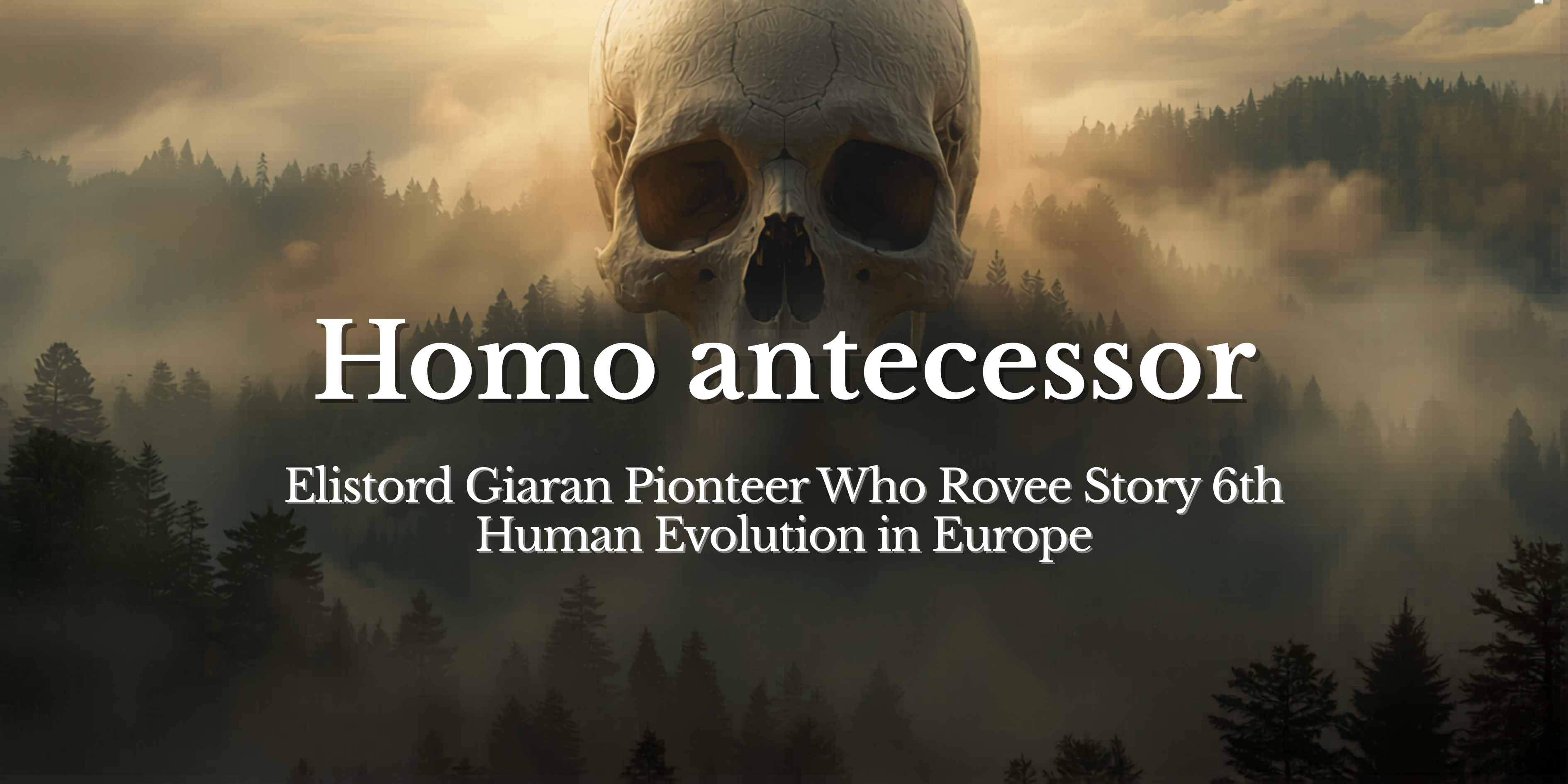
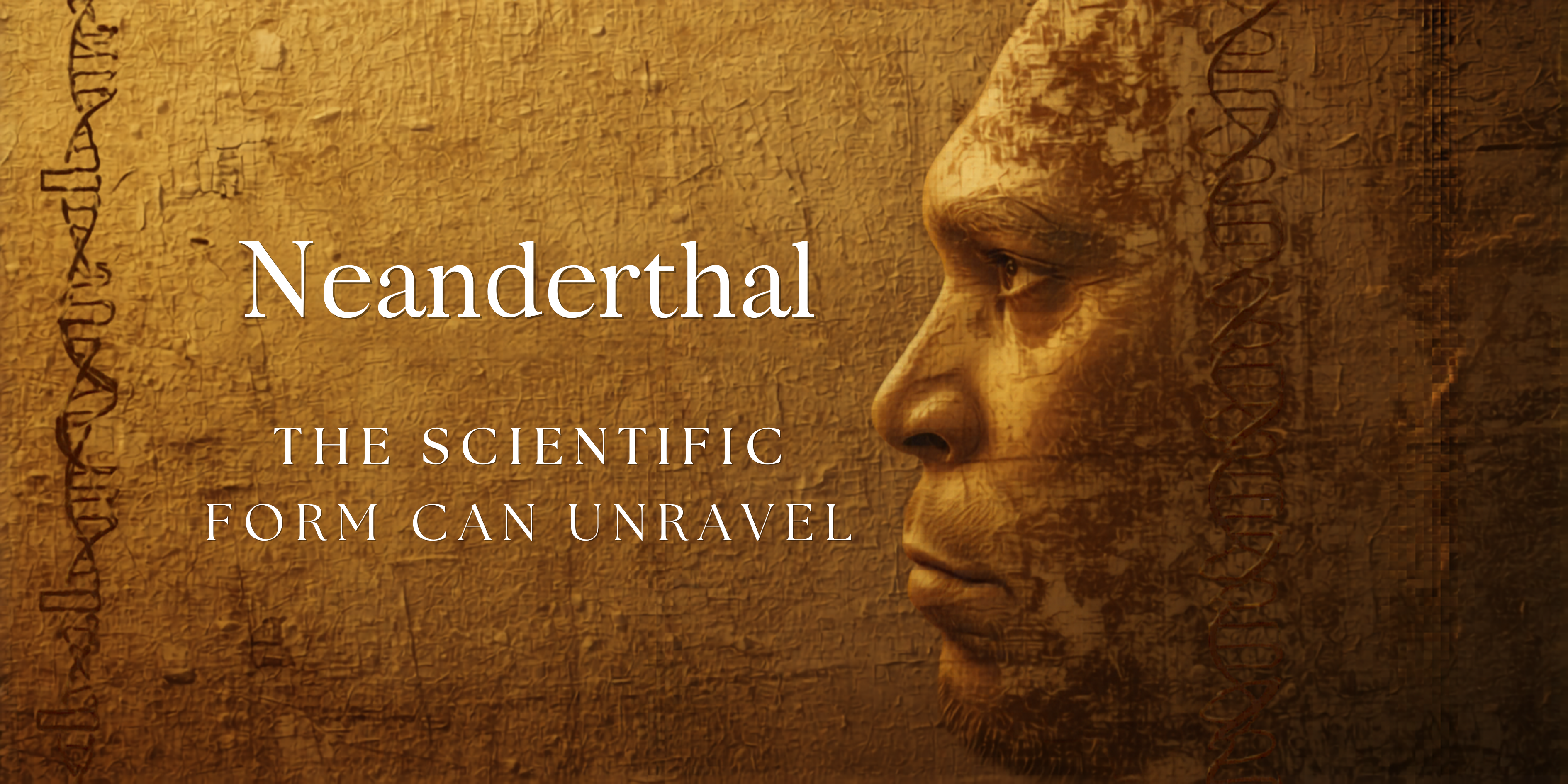
Physically, Neanderthals were distinctively built. They were shorter and stockier than most modern humans, with wider hips, a barrel-shaped chest, and extremely powerful musculature — adaptations that likely helped them survive the harsh, often glacial climates of Ice Age Europe. Their skulls tell a particularly vivid anatomical story. Where modern humans have a high, rounded braincase, Neanderthals had a longer, lower skull with a prominent, continuous brow ridge running across the eye sockets. They lacked a prominent chin, had a projecting mid-face, and their nasal passages were notably large — possibly an adaptation for warming and humidifying cold, dry air before it reached the lungs.
| Anatomical Feature | Homo sapiens | Homo neanderthalensis |
|---|---|---|
| Braincase shape | High and rounded | Long, low, and elongated |
| Brow ridge | Small, divided into two arches | Prominent, continuous shelf |
| Chin | Pronounced, projecting | Absent (receding) |
| Pelvic width | Narrow | Wider, more barrel-shaped |
| Nasal region | Moderate | Large, projecting mid-face |
| Brain volume (average) | ~1,350 cc | ~1,410 cc (slightly larger on average) |
| Body build | Generally more slender | Robust, stocky, cold-adapted |
| Occipital bun | Absent | Present (rounded protrusion at rear of skull) |
Interestingly, Neanderthal brain volumes were slightly larger on average than those of modern humans — though the internal organization differed. Modern human brains appear to be wired differently, with relatively larger frontal and parietal lobes associated with planning, language, and social cognition. These neurological differences may help explain behavioral distinctions, though the gap was clearly much smaller than previously assumed. Neanderthals were not the dim-witted brutes of popular imagination. They were sophisticated hunters, skilled toolmakers, and socially complex beings who lived in organized groups, cared for injured and elderly group members, and possibly adorned themselves with pigments and eagle feathers.
3. 600,000 Years of Divergence: An Evolutionary Timeline
To understand how Neanderthals and modern humans are related, we need to travel back to a world that is almost unimaginable to us today. Approximately 600,000 years ago, a population of ancient hominins — living somewhere in Africa or possibly at the African-Eurasian interface — began to split into two lineages. One lineage would migrate into Europe and eventually give rise to the Neanderthals. The other would remain in Africa and, hundreds of thousands of years later, give rise to Homo sapiens.
This scenario is now strongly supported by genetic data extracted from Neanderthal fossils. Ancient DNA recovered from fossils found in the Sima de los Huesos ("Pit of the Bones") cave site in the Atapuerca Hills of northern Spain — where more than 6,500 skeletal fragments from at least 28 individuals were deposited roughly 430,000 years ago — confirms that these are indeed early Neanderthals. Their ancient DNA, despite being extraordinarily degraded, clusters genetically with later Neanderthals from across Europe and western Asia, placing the human-Neanderthal divergence at approximately 550,000–650,000 years ago.
Key Site: Sima de los Huesos, Atapuerca, Spain
The cave deposit at Sima de los Huesos ("Pit of the Bones") in northern Spain is one of the most remarkable paleoanthropological discoveries in history. Dating to approximately 430,000 years ago, it contains the densest accumulation of pre-Neanderthal hominin fossils ever found. The site has yielded evidence of deliberate disposal of the dead — one of the earliest-known examples of mortuary behavior in the human lineage. Ancient DNA analyses published in 2016 confirmed their Neanderthal affinity, while also revealing unexpected genetic similarities to the Denisovans of Siberia, suggesting complex population interactions far earlier than previously thought.
For many years, scientists believed the most likely candidate for the last common ancestor of Neanderthals and modern humans was a species known as Homo heidelbergensis or its African variant, Homo rhodesiensis. Fossils of these hominins — with their intermediate anatomical features between earlier erectus-grade humans and later Neanderthals or modern humans — had been found across Europe and Africa, and were dated to roughly 500,000–300,000 years ago. It seemed like a tidy picture: H. heidelbergensis arrived in Europe and evolved into Neanderthals, while their African counterparts evolved into us.
But the picture is no longer tidy. Recent redating of the Kabwe cranium — the type specimen of Homo rhodesiensis, discovered in Zambia in 1921 — places it at only about 300,000 years old, far younger than originally estimated. This means it could not be an ancestor of the Neanderthals, whose lineage was already well-established in Europe by that time. Additionally, detailed morphological analysis has shown that the facial structure of rhodesiensis is poorly positioned as an ancestor of modern humans. In short, the identity of the true last common ancestor of modern humans and Neanderthals remains an open and actively debated question.
Neanderthal Longevity and Adaptability
Whatever their precise evolutionary origins, Neanderthals were extraordinarily successful. They occupied Europe and western Asia for at least 400,000 years, weathering multiple glacial and interglacial cycles, developing distinct regional cultural traditions, and exploiting a wide range of environments from the boreal forests of Siberia to the warm Mediterranean coasts. Their stone-tool industry, known as the Mousterian, was sophisticated by any pre-modern standard, and late Neanderthal populations in France and Spain developed an even more elaborate industry called the Châtelperronian — possibly in imitation of, or in exchange with, early modern humans they encountered.
4. Early Fossils and the Pan-African Origin of Modern Humans
If the split between Neanderthal and modern human lineages occurred around 600,000 years ago, then there ought to be fossil evidence of the early Homo sapiens lineage dating back well before the youngest classical H. sapiens fossils from Ethiopia. Until the mid-2010s, the oldest widely accepted Homo sapiens fossils came from two Ethiopian sites: the Omo Kibish formation (dated to approximately 195,000 years ago) and the Herto site (approximately 160,000 years ago). Both yielded cranial remains with clearly modern features — high foreheads, rounded braincases, and, in the case of Herto, the beginnings of a prominent chin.
That picture changed dramatically in 2017 with the publication of reanalyzed fossils from the site of Jebel Irhoud in Morocco. Using thermoluminescence dating of associated burnt flints, researchers placed these fossils at a remarkable approximately 300,000 years ago — pushing back the known age of the Homo sapiens lineage by more than 100,000 years and moving its geographic origin from East Africa to the northwestern tip of the continent. The Jebel Irhoud individuals showed a fascinating mosaic: their faces were essentially modern in structure, broad and flat, but their braincases were longer and lower than those of later Homo sapiens, reflecting a brain shape still in the process of evolving toward the globular modern form.
Crucially, the Jebel Irhoud site also yielded evidence of behavioral modernity: carefully crafted stone tools of a type known as Levallois, and evidence of fire use. These were not anatomically primitive hominins with primitive behaviors; they were members of a population already showing the seeds of the technological and cultural sophistication that would later characterize our species.
The Pan-African Model: Modern Humans as a Mosaic Population
The Jebel Irhoud discovery, combined with growing evidence from other sites across Africa, has now firmly established what paleoanthropologists call the Pan-African model of modern human origins. Rather than a single ancestral population living in one location in Africa that evolved into modern humans and then spread across the continent and beyond, the emerging picture is of multiple interacting populations, spread across Africa's vast and ecologically diverse landscapes, that diverged, evolved locally, and periodically merged when climate-driven environmental changes allowed.
Africa is not, and never has been, ecologically uniform. It contains dense tropical rainforests, vast savannahs, hyper-arid deserts, montane grasslands, and temperate Mediterranean-climate zones. During the Middle Pleistocene — roughly 300,000 to 100,000 years ago — these zones expanded and contracted repeatedly as global climate fluctuated. Populations of early Homo sapiens would have been intermittently isolated by barriers such as the Sahara Desert or the Congo Rainforest, allowing them to diverge genetically and perhaps anatomically. When conditions changed and routes opened up, these populations would have reconnected and exchanged genes, each contributing something to what eventually became the modern human genome.
This is why modern human fossils from the period 300,000–100,000 years ago look so varied. By the time we are dealing with sites like Florisbad in South Africa (~260,000 years ago), Ngaloba in Tanzania (~120,000 years ago), or Iwo Eleru in Nigeria (~13,000 years ago — though this individual shows surprisingly archaic features), we are looking at a species in the process of assembling itself from diverse regional components. And it was not only with each other that these early populations were exchanging genes.
5. Out of Africa: The Great Human Dispersal
The most successful and consequential migration in the history of our species began at least 60,000 years ago, when a population of Homo sapiens — possibly emerging from East Africa or the Horn of Africa — pushed out of the continent and began colonizing the rest of the world. This expansion was extraordinarily rapid on geological timescales. Within perhaps 20,000 years, modern humans had reached Australia; within 40,000 years, they had colonized all of Eurasia; and by approximately 15,000–20,000 years ago (or possibly earlier), they had crossed into the Americas, completing humanity's conquest of every habitable continent on Earth.
But this was not, as earlier models suggested, the first time modern humans had ventured beyond Africa. The archaeological and fossil record now shows that earlier, smaller-scale excursions had occurred long before the main dispersal. Fossils from Israeli sites like Skhul and Qafzeh, dated to 80,000–130,000 years ago, demonstrate that modern humans reached the Levant well before the main out-of-Africa event. A tooth from Misliya Cave on Mount Carmel, Israel, pushes this presence in the Levant back to perhaps 170,000–200,000 years ago.
Even more dramatically, the partial cranium known as Apidima 1, from a cave in southern Greece, has been dated to at least 210,000 years ago. If this dating is correct — and it remains a subject of ongoing debate — it would place modern humans in southeastern Europe more than 150,000 years before the previously accepted date, making it the earliest Homo sapiens fossil ever found outside Africa. These early dispersals appear to have been dead ends: the populations either went extinct or were absorbed back into Neanderthal populations, leaving no direct descendants among modern humans. But they were not without consequence — they left genetic marks that can still be detected in Neanderthal genomes, showing that gene flow between the two species was bidirectional and began much earlier than the main out-of-Africa event.
"The disappearance of Neanderthals within roughly 20,000 years of modern humans' arrival in Europe is one of evolution's most poignant mysteries — and the answer almost certainly involves both competition and connection."
6. Coexistence, Contact, and Interbreeding
The meeting of Neanderthals and modern humans was not a sudden confrontation. The two species — or, as some researchers prefer, the two populations of a single species — coexisted across parts of Europe and western Asia for a period of anywhere from 2,600 to 5,400 years, based on detailed radiocarbon dating of sites in western Europe. During this time, they certainly occupied overlapping territories and almost certainly had direct contact. What that contact looked like in human terms is something we can only speculate about, but the genetic evidence tells us unambiguously that at least some of it resulted in offspring that survived and reproduced.
The site of Nesher Ramla in Israel, where researchers have identified fossils dated to approximately 120,000–140,000 years ago, offers a particularly striking window into the complexity of hominin populations in this region. The Nesher Ramla individual displays a mixture of Neanderthal-like and more archaic features, suggesting it belonged to a local population that had been evolving in the Levant for tens of thousands of years — and that likely interbred with both early modern humans passing through and Neanderthals migrating down from Europe. The Levant was, in other words, a complex mixing zone long before the main out-of-Africa dispersal.
The Genetic Signature of Ancient Encounters
The clearest evidence for interbreeding comes from the genome. When researchers sequenced the first complete Neanderthal genome in 2010 — a monumental achievement led by Svante Pääbo's team at the Max Planck Institute for Evolutionary Anthropology — they found that people of non-African descent carry approximately 1–4% Neanderthal DNA in their genomes. This finding has now been replicated and refined many times, using both modern human genomes and ancient DNA recovered from early modern humans who lived in Europe and Asia tens of thousands of years ago.
The pattern in the ancient genome record is especially informative. A roughly 40,000-year-old individual from Peștera cu Oase in Romania — one of the earliest anatomically modern Europeans yet discovered — carried approximately 6–9% Neanderthal DNA, by far the highest proportion of Neanderthal ancestry recorded in any individual. Crucially, this Neanderthal DNA was organized into very long, unbroken chromosomal segments — a pattern consistent with a Neanderthal ancestor just four to six generations back. This man had a Neanderthal great-great-grandparent. He was, by any reasonable definition, the product of recent direct interbreeding between the two species. And yet he left almost no detectable genetic legacy in modern populations, suggesting that these early admixed individuals were part of a population that ultimately did not survive or contribute substantially to the present-day gene pool.
Three ancient individuals from Bacho Kiro Cave in Bulgaria, dating to approximately 45,000 years ago, tell a similar story. They each carried between 3% and 4% Neanderthal ancestry — higher than any present-day non-African — and their Neanderthal-derived segments were similarly long, indicating very recent admixture. Again, their direct contribution to living human populations appears to have been minimal, though the Bulgarian site also yielded one individual who is a closer match to present-day East Asians than to Europeans, providing an intriguing glimpse at the complexity of population movements in early modern Eurasia.
7. The Genetic Legacy: Neanderthal DNA in Modern Human Populations
The most significant episode of Neanderthal–modern human interbreeding, in terms of its lasting genetic impact, occurred approximately 52,000–58,000 years ago, around the time that the founding population of all non-Africans was pushing through western Asia on its way to colonizing the rest of the world. This conclusion is supported by multiple lines of evidence. The genome of Ust'-Ishim, a 45,000-year-old Siberian individual who is equally related to present-day East Asians and Europeans — making him a representative of the undifferentiated ancestral Eurasian population — carries Neanderthal DNA at levels and in segment lengths entirely consistent with a single major admixture event about 52,000 years ago.
Over the roughly 2,000 generations since that primary event, the inherited Neanderthal DNA has been broken up by the natural shuffling process of genetic recombination every time chromosomes are passed from parent to child. A chromosomal region inherited intact from a Neanderthal ancestor 2,000 generations ago will, on average, have been reduced to a fragment only about 50 kilobases (kb) long — roughly 50,000 base pairs — compared to the full chromosomes of 100–200 megabases with which we started. These short, scattered fragments are what modern genetic analyses detect when they identify "Neanderthal ancestry" in living people's genomes.
| Population Group | Neanderthal Ancestry (%) | Denisovan Ancestry (%) | Other Archaic (%) |
|---|---|---|---|
| Sub-Saharan Africans | ~0.3–1.0 (via back-migration) | Negligible | Up to ~2% (local) |
| North Africans | ~1.0–1.5 | Negligible | Minimal |
| Europeans | ~1.8–2.2 | Negligible | Minimal |
| South Asians | ~1.9–2.3 | <0.1 | Minimal |
| East Asians | ~2.3–2.7 | ~0.1–0.3 | Minimal |
| Indigenous Americans | ~2.0–2.5 | ~0.2–0.4 | Minimal |
| Melanesians / Aboriginal Australians | ~2.0–2.5 | ~4–6 | Possibly additional |
Why Do East Asians Carry More Neanderthal DNA Than Europeans?
One of the more intriguing puzzles in human genomics is that people of East Asian descent consistently carry slightly more Neanderthal ancestry than people of European descent — roughly 19.6% more on average, according to some analyses. Several hypotheses have been proposed to explain this difference, and the evidence now points toward a combination of factors rather than a single explanation.
One leading hypothesis is that Europeans experienced stronger natural selection against Neanderthal DNA over the millennia following admixture. Because Neanderthal genetic variants had evolved in a separate population for hundreds of thousands of years, many were maladapted to a modern human physiological background, particularly in tissues like the brain and testes where gene expression patterns differ most between the two lineages. If Europeans faced stronger selective pressure against these maladaptive variants, more Neanderthal DNA would have been purged from European genomes over time compared to East Asian ones.
A second hypothesis invokes "dilution" by a population known as the Basal Eurasians — a deeply diverged lineage that separated from other Eurasians before the primary Neanderthal admixture event, and therefore carried little or no Neanderthal ancestry. If European populations later mixed substantially with Basal Eurasians (which may have lived in the Middle East or North Africa), their Neanderthal ancestry would have been diluted. While there is good evidence that Basal Eurasian ancestry is indeed present in European genomes, it does not seem to fully account for the East Asian–European difference.
The most compelling explanation now appears to involve multiple episodes of admixture. After the initial interbreeding event that affected the common ancestors of all non-Africans, additional pulses of Neanderthal gene flow may have occurred specifically into the populations ancestral to East Asians, after they had already diverged from the lineage leading to Europeans. This model — supported by analyses of Neanderthal DNA segment lengths and distributions in East Asian versus European genomes — suggests that the story of human-Neanderthal interbreeding was not a single chapter but an ongoing saga played out over tens of thousands of years across a broad geographic range.
8. How Neanderthal Genes Affect Our Health Today
The discovery that modern humans carry Neanderthal DNA was not merely an exciting historical footnote. As researchers have begun mapping exactly which regions of the modern human genome are derived from Neanderthals, a surprising and medically important picture has emerged: these ancient genetic variants are not inert passengers. They actively shape human physiology, immune function, disease susceptibility, and drug metabolism in ways that are only beginning to be understood.
Metabolism and Chronic Disease
Among the most significant health impacts of inherited Neanderthal DNA is its effect on metabolic processes. A Neanderthal-derived DNA segment on chromosome 17 carries variants that alter the function of a liver enzyme involved in processing fats and sugars. Carriers of this variant show increased susceptibility to type 2 diabetes — a finding that has been replicated in multiple large-scale biobank studies. The Neanderthal version of this gene likely evolved in a context where feast-or-famine metabolic efficiency was highly advantageous; in the context of modern sedentary lifestyles and calorie-rich diets, the same variant becomes a liability.
Other Neanderthal-derived variants affect how the body processes proteins and calories, increasing the risk of nutritional deficiencies in certain dietary contexts. Still others influence the activity of cytochrome P450 enzymes — the liver enzymes responsible for metabolizing many pharmaceutical drugs. This means that, for some people, whether a given medication is metabolized quickly or slowly, safely or with side effects, may partly depend on whether they inherited a Neanderthal version of certain genes. This is a striking example of how evolutionary history reaches directly into the clinic.
Pain Sensitivity
On chromosome 2, a Neanderthal-derived segment contains a variant in the SCN9A gene, which encodes a sodium channel protein — Nav1.7 — that plays a central role in pain signaling. The Neanderthal version of this channel appears to have made its carriers more sensitive to pain than the typical modern human version. This heightened pain sensitivity, which may have functioned as a useful early warning system helping Neanderthals avoid injury, persists in a small fraction of modern humans. Approximately 0.4% of people in the United Kingdom carry the Neanderthal version of SCN9A, and surveys consistently find that these individuals report experiencing greater pain from comparable stimuli than those without this variant. It is a remarkable thought: the ghost of a Neanderthal ancestor can make a person's day-to-day experience of pain measurably different.
Pregnancy and Reproductive Health
Perhaps the most fascinating Neanderthal genetic legacy operates in the domain of reproduction. On chromosome 11, a region of Neanderthal-derived DNA influences the structure and expression of the progesterone receptor — the protein through which the hormone progesterone exerts its effects during pregnancy. Two distinct Neanderthal variants of this receptor have been identified in modern humans, and strikingly, both have been increasing in frequency over the past 10,000 years, as evidenced by their growing prevalence in ancient DNA from archaeological samples across this time period.
Both Neanderthal progesterone receptor variants increase progesterone sensitivity during pregnancy. This has an apparent paradox at its heart: the same Neanderthal DNA is associated with an increased risk of preterm birth, but also with a reduced risk of bleeding and miscarriage in early pregnancy. The net effect on reproductive fitness appears to have been positive — which is why these variants have been increasing in frequency rather than being eliminated by selection. Clinically, the finding resonates with studies showing that progesterone supplementation reduces miscarriage rates in women who have previously experienced pregnancy loss, suggesting a mechanistic link between Neanderthal heritage and modern obstetric practice.
Immunity and Infectious Disease
Some of the most functionally significant Neanderthal-derived DNA involves the immune system. Neanderthals had spent hundreds of thousands of years evolving responses to the specific pathogen communities of Eurasia, and when their genes entered the modern human population, some of those adapted immune variants proved highly beneficial to their new hosts.
On chromosome 4, a Neanderthal-derived segment boosts the activity of toll-like receptors — the frontline sensors of the innate immune system that detect the molecular signatures of bacteria and viruses. Specifically, this variant increases the expression of receptors that recognize and respond to the bacterium Helicobacter pylori, which causes stomach ulcers and is associated with gastric cancer. Populations carrying this Neanderthal variant show enhanced ability to control H. pylori infection, presumably because their Neanderthal ancestors encountered this pathogen in Eurasian environments and evolved resistance to it.
The COVID-19 pandemic drew remarkable attention to a Neanderthal-derived segment on chromosome 3, which proved to have strong effects on COVID-19 outcomes. People who carried this segment had a significantly higher risk of developing severe COVID-19 requiring mechanical ventilation, and a higher risk of death from the infection. This segment, which spans approximately 49 kilobases and contains several immune-related genes, is most common in people of South Asian descent (approximately 63% carry at least one copy) and relatively rare in East Asian populations (approximately 4%). Conversely, this same chromosomal region appears to reduce the risk of HIV infection, probably by affecting the expression of CCR5, the co-receptor that HIV uses to enter cells. The same ancient genetic legacy that may have helped Neanderthals fight infections endemic to their environment can have dramatically different consequences when faced with a novel pathogen like SARS-CoV-2.
Research Highlight: Dermatology vs. Cognition
A large-scale analysis examining the influence of Neanderthal DNA across 405 complex human traits found that dermatological (skin) traits showed the strongest Neanderthal influence, while cognitive traits were the least affected. This is consistent with the finding that Neanderthal gene variants tend to be expressed at lower levels in brain tissues — particularly the cerebellum and basal ganglia — compared to modern human variants. There appears to have been strong evolutionary pressure against Neanderthal regulatory sequences in brain tissues, suggesting that differences in brain function may have been among the most important biological distinctions between the two species.
Skin, Hair, and Appearance
Neanderthal-derived genetic variants have also left their mark on the physical appearance of modern humans. Several Neanderthal alleles are associated with skin pigmentation, hair texture, and other dermatological traits. Some of these variants may have helped early modern human migrants adapt to the lower UV radiation levels of northern Eurasian environments — a challenge for which Neanderthals, having spent hundreds of millennia at these latitudes, were already well-equipped genetically. There is also evidence that some Neanderthal keratin gene variants, which affect the structural proteins of hair and skin, were advantageous in cold, dry climates and are over-represented in present-day populations from northern latitudes relative to what would be expected from random inheritance.
9. Denisovans: The Other Archaic Humans
Neanderthals are not the only archaic humans who left genetic traces in modern populations. In 2010, the same year that the first Neanderthal genome was published, a finger bone from Denisova Cave in the Altai Mountains of Siberia yielded ancient DNA belonging to a previously unknown hominin — now called the Denisovans. Despite possessing only a handful of physical fossils (the finger bone, a few teeth, and a partial jaw from Tibet), the Denisovans are now among the best-characterized extinct human populations from a genetic standpoint, thanks to the exceptional preservation of ancient DNA in Denisova Cave's cold, dry environment.
Denisovans were closely related to Neanderthals — more so than either group was to modern humans — suggesting they diverged from a shared archaic ancestor after the split from the modern human lineage. Like Neanderthals, they interbred with modern humans, and Denisovan DNA is found in present-day populations, particularly in South and Southeast Asia, the Americas, and most dramatically, in Melanesia (the island region including Papua New Guinea and surrounding areas), where people of Melanesian descent carry an extraordinary 4–6% Denisovan DNA.
The most functionally significant Denisovan genetic contribution to modern humans has been identified in Tibetan populations. A 33-kilobase DNA segment on chromosome 2, derived from Denisovan ancestors, is found in more than 80% of Tibetans but is extremely rare in other Han Chinese or lowland Asian populations. This segment contains the gene EPAS1, which encodes a protein called hypoxia-inducible factor 2-alpha (HIF2α) — a key regulator of the body's response to low oxygen levels. The Tibetan-specific Denisovan variant of EPAS1 dramatically reduces the production of red blood cells at high altitude, counterintuitively protecting Tibetans from the dangerous over-thickening of blood (polycythemia) that strikes most lowlanders who ascend to extreme elevations.
The implication is striking: Denisovans apparently lived on the Tibetan Plateau — one of the most extreme environments on Earth — for long enough to evolve this highly specific adaptation to high-altitude hypoxia. When modern humans migrated into Tibet, they encountered this adaptation through interbreeding, and it proved so advantageous that it spread through nearly the entire Tibetan population within a few thousand years. The Denisovan EPAS1 variant is one of the clearest examples of adaptive introgression — the acquisition of a beneficial gene through interbreeding with another population — in the entire human evolutionary record.
10. What Genetically Distinguishes Modern Humans?
Given everything we now know about the genetic complexity of modern human origins — the multiple archaic contributions, the diverse regional populations that merged to form our species, the continuous gene flow throughout the Pleistocene — a natural question arises: what, if anything, is genetically unique about modern humans? Is there a clean genetic signature that separates Homo sapiens from all archaic humans?
The answer is: yes, but it is more subtle and more distributed than researchers initially hoped. Comparisons of the full genomes of Neanderthals and Denisovans with those of modern humans reveal that only about 1.5–7% of the genome shows regions where modern humans carry strongly different variant frequencies than archaic humans. These "modern human-specific" regions are not randomly distributed across the genome — they cluster in areas associated with particular biological functions, including brain development, neural connectivity, the regulation of gene expression in brain tissue, and skeletal anatomy.
Among the most-discussed candidates for "distinctly modern human" genetic changes are variants in genes like FOXP2 (long associated with language, though its role is more complex than originally thought), several genes involved in the wiring of cortical circuits, and regulatory changes that alter the timing of brain development in ways that extend the period of neuroplasticity in early life. Modern humans also carry specific variants in genes affecting the structure of the vocal tract, the temporomandibular joint, and the pelvis that are absent in Neanderthals and Denisovans.
What is particularly interesting is the emerging "combinatorial" view of modern human genetics: no single genetic change defines us. Rather, modern humans are characterized by a combination of derived genetic features, where any given individual carries most — but not necessarily all — of these traits. Some people carry ancestral variants in regions that are usually modern in most other humans, whether because those variants persisted from a common ancestor shared with archaic humans, or because they were reintroduced through interbreeding. Conversely, late Neanderthals show signs of having acquired some modern human-derived variants through the reverse direction of gene flow — an intriguing hint that the boundaries between these groups were even more permeable than the dominant interbreeding narrative suggests.
Genetic Diversity and the Out-of-Africa Effect
Modern human genetic diversity follows a distinctive global pattern that provides some of the most compelling evidence for the out-of-Africa model. Populations in Africa show by far the greatest genetic diversity of any regional group, carrying a wider range of genetic variants than populations elsewhere. As one moves geographically away from Africa — through the Middle East, into Central Asia, East Asia, Europe, and ultimately to the Americas — genetic diversity consistently decreases.
This pattern is exactly what would be expected if modern humans underwent a series of "founder events" as they expanded out of Africa: each time a small group left an existing population to colonize a new territory, they carried only a fraction of the total genetic variation of their source population, and that fraction became the basis for the new population's diversity. The pattern in archaic ancestry follows similarly: the richness of African genomic diversity includes not only variants inherited from the ancestral modern human population, but also contributions from ancient, locally adapted archaic human populations that interbred with modern humans in Africa long before the out-of-Africa dispersal — populations whose bones we may never have found, but whose genes we are only now beginning to discover.
11. Conclusion: We Are All Ancient
The story of Neanderthals and modern humans is not a story of replacement and extinction. It is, in all the most important senses, a story of encounter, exchange, and integration. The Neanderthals are gone in their bodily form — the last of their populations disappeared from the Iberian Peninsula or the Levant sometime around 40,000 years ago. But they are not entirely gone. They live on in us: in the DNA of virtually every non-African person alive today, in the keratin proteins in our skin and hair, in the immune receptors patrolling our bloodstreams, in the liver enzymes metabolizing our food and our medicines, in the pain receptors firing in a fraction of us every day.
What is perhaps most profound about the new science of ancient DNA and paleoanthropology is not any individual finding, but the cumulative picture they paint. Our species did not emerge fully-formed from a single cradle. We assembled ourselves from multiple populations across a vast continent, absorbing genetic contributions from archaic relatives both inside Africa and beyond it. We are, in the most literal biological sense, a mosaic — a living record of hundreds of thousands of years of encounter, survival, adaptation, and connection.
Understanding that history has immediate practical value. The genetic variants we carry from Neanderthal and Denisovan ancestors are not curiosities; they are active participants in our physiology, influencing our risk for diabetes, our response to pain, the course of our pregnancies, our vulnerability to viral infections, and our adaptation to extreme environments. As biobanks grow more diverse and ancient DNA methods continue to improve, we will undoubtedly discover many more functional consequences of this deep evolutionary heritage.
More broadly, the story of our relationship with Neanderthals invites a reconsideration of what it means to be human. If the traits we consider most distinctly ours — large brains, complex culture, symbolic thought, social cooperation — existed in some form in our archaic cousins, then perhaps what defines Homo sapiens is not any single trait but a particular arrangement, a particular degree, a particular combination of qualities that has proven uniquely suited to the challenges of the past 300,000 years. We are not the only species to have been intelligent, caring, creative, or communicative. We are simply the one that survived.
And in surviving, we carried our cousins with us — in every cell of every person who has ever lived outside Africa. That is a fact worth pausing over. The next time you feel a twinge of pain, fight off a cold, or simply catch your reflection in a mirror, some fragment of that experience is shaped by genes that first evolved not in a modern human ancestor, but in a stocky, heavy-browed, intensely cold-adapted person who lived in Ice Age Europe or the mountains of Siberia, tens of thousands of years before any city was ever built, any word was ever written, or any question was ever asked about what it means to be human.
References & Further Reading
- Prüfer K, et al. (2014). The complete genome sequence of a Neanderthal from the Altai Mountains. Nature, 505, 43–49. https://doi.org/10.1038/nature12886
- Meyer M, et al. (2016). Nuclear DNA sequences from the Middle Pleistocene Sima de los Huesos hominins. Nature, 531, 504–507. https://doi.org/10.1038/nature17405
- Hublin J-J, et al. (2017). New fossils from Jebel Irhoud, Morocco and the pan-African origin of Homo sapiens. Nature, 546, 289–292. https://doi.org/10.1038/nature22336
- Harvati K, et al. (2019). Apidima Cave fossils provide earliest evidence of Homo sapiens in Eurasia. Nature, 571, 500–504. https://doi.org/10.1038/s41586-019-1376-z
- Green RE, et al. (2010). A draft sequence of the Neandertal genome. Science, 328(5979), 710–722. https://doi.org/10.1126/science.1188021
- Reich D, et al. (2010). Genetic history of an archaic hominin group from Denisova Cave in Siberia. Nature, 468, 1053–1060. https://doi.org/10.1038/nature09710
- Sankararaman S, et al. (2014). The genomic landscape of Neanderthal ancestry in present-day humans. Nature, 507, 354–357. https://doi.org/10.1038/nature12961
- Huerta-Sánchez E, et al. (2014). Altitude adaptation in Tibetans caused by introgression of Denisovan-like DNA. Nature, 512, 194–197. https://doi.org/10.1038/nature13408
- Zeberg H & Pääbo S. (2020). The major genetic risk factor for severe COVID-19 is inherited from Neanderthals. Nature, 587, 610–612. https://doi.org/10.1038/s41586-020-2818-3
- Zeberg H & Pääbo S. (2021). A genomic region associated with protection against severe COVID-19 is inherited from Neanderthals. PNAS, 118(9), e2026309118. https://doi.org/10.1073/pnas.2026309118
- Zeberg H, et al. (2020). A Neanderthal sodium channel increases pain sensitivity in present-day humans. Current Biology, 30(17), 3465–3469. https://doi.org/10.1016/j.cub.2020.06.045
- Dannemann M & Kelso J. (2017). The contribution of Neanderthals to phenotypic variation in modern humans. American Journal of Human Genetics, 101(4), 578–589. https://doi.org/10.1016/j.ajhg.2017.09.010
- Hajdinjak M, et al. (2021). Initial Upper Palaeolithic humans in Europe had recent Neanderthal ancestry. Nature, 592, 253–257. https://doi.org/10.1038/s41586-021-03335-3
- Vattathil S & Akey JM. (2015). Small amounts of archaic admixture provide big insights into human history. Cell, 163(2), 281–284. https://doi.org/10.1016/j.cell.2015.09.042
- Posth C, et al. (2017). Deeply divergent archaic mitochondrial genome provides lower time boundary for African gene flow into Neanderthals. Nature Communications, 8, 16046. https://doi.org/10.1038/ncomms16046
- Stringer C & Galway-Witham J. (2017). On the origin of our species. Nature, 546, 212–214. https://doi.org/10.1038/546212a
- Pääbo S. (2014). Neanderthal Man: In Search of Lost Genomes. Basic Books. ISBN 978-0-465-02083-6.
- Reich D. (2018). Who We Are and How We Got Here: Ancient DNA and the New Science of the Human Past. Pantheon Books. ISBN 978-1-101-87032-7.
Discussion
2 Comments